Último Canto
2026 · Director/Writer
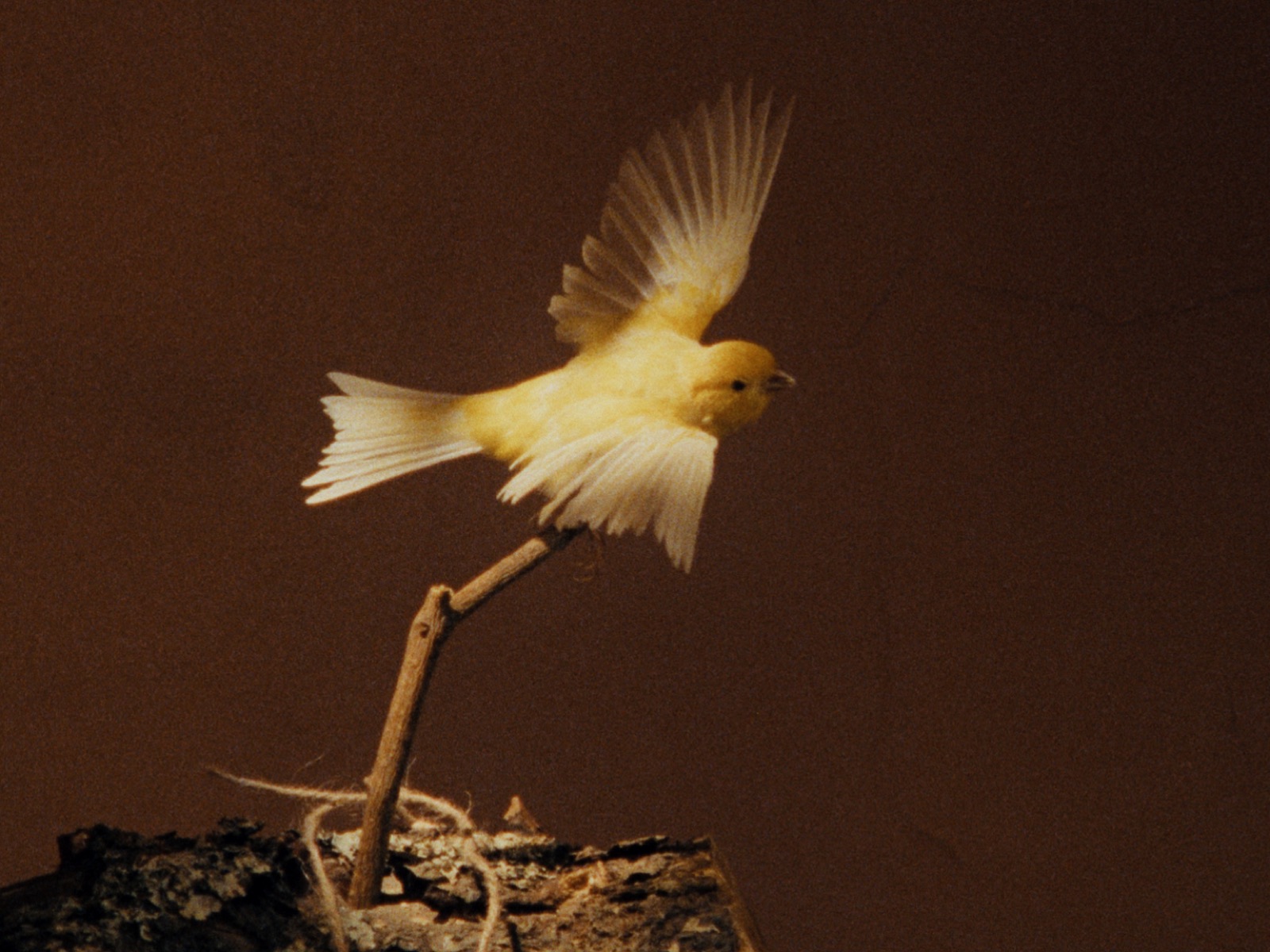
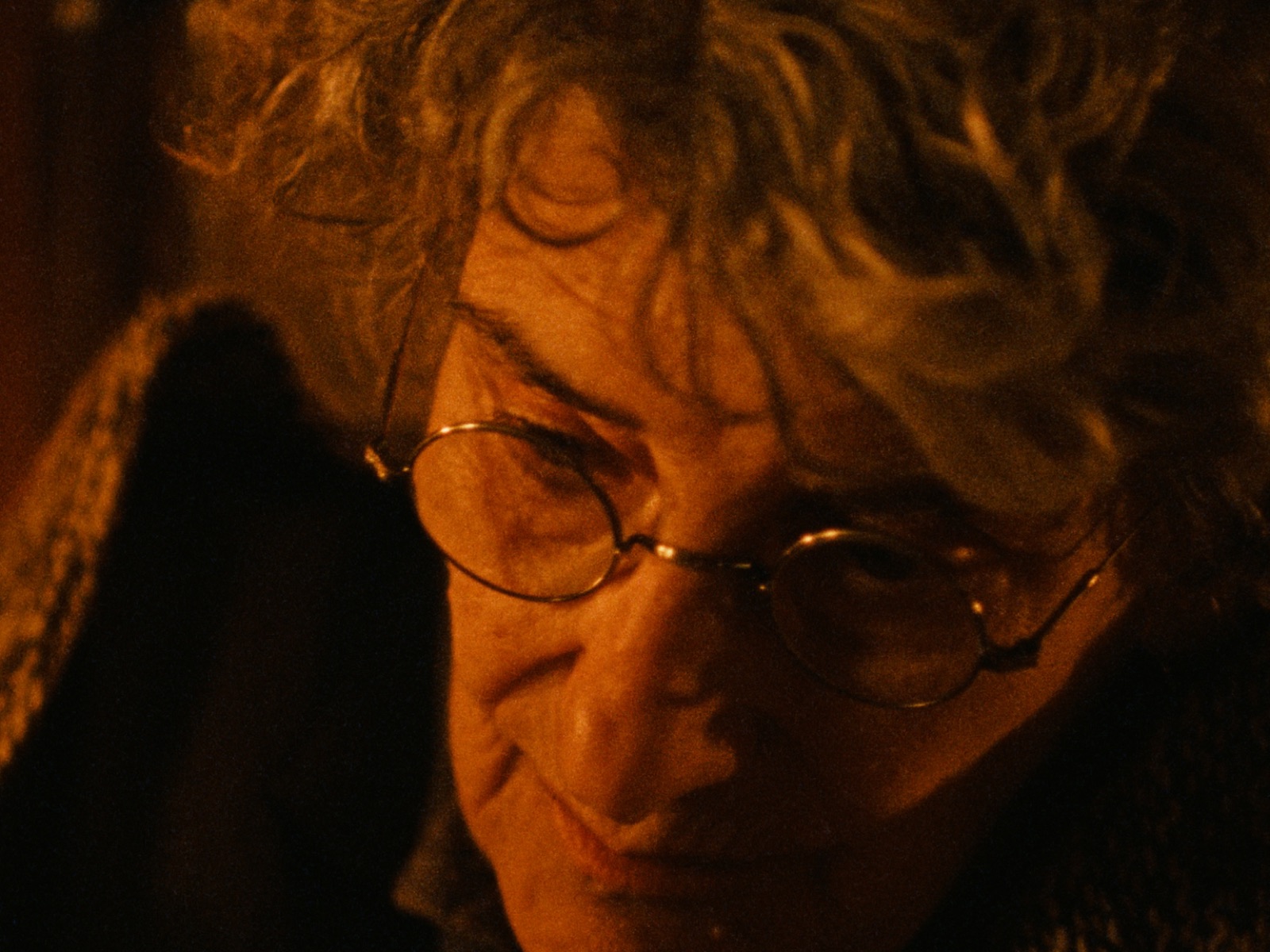
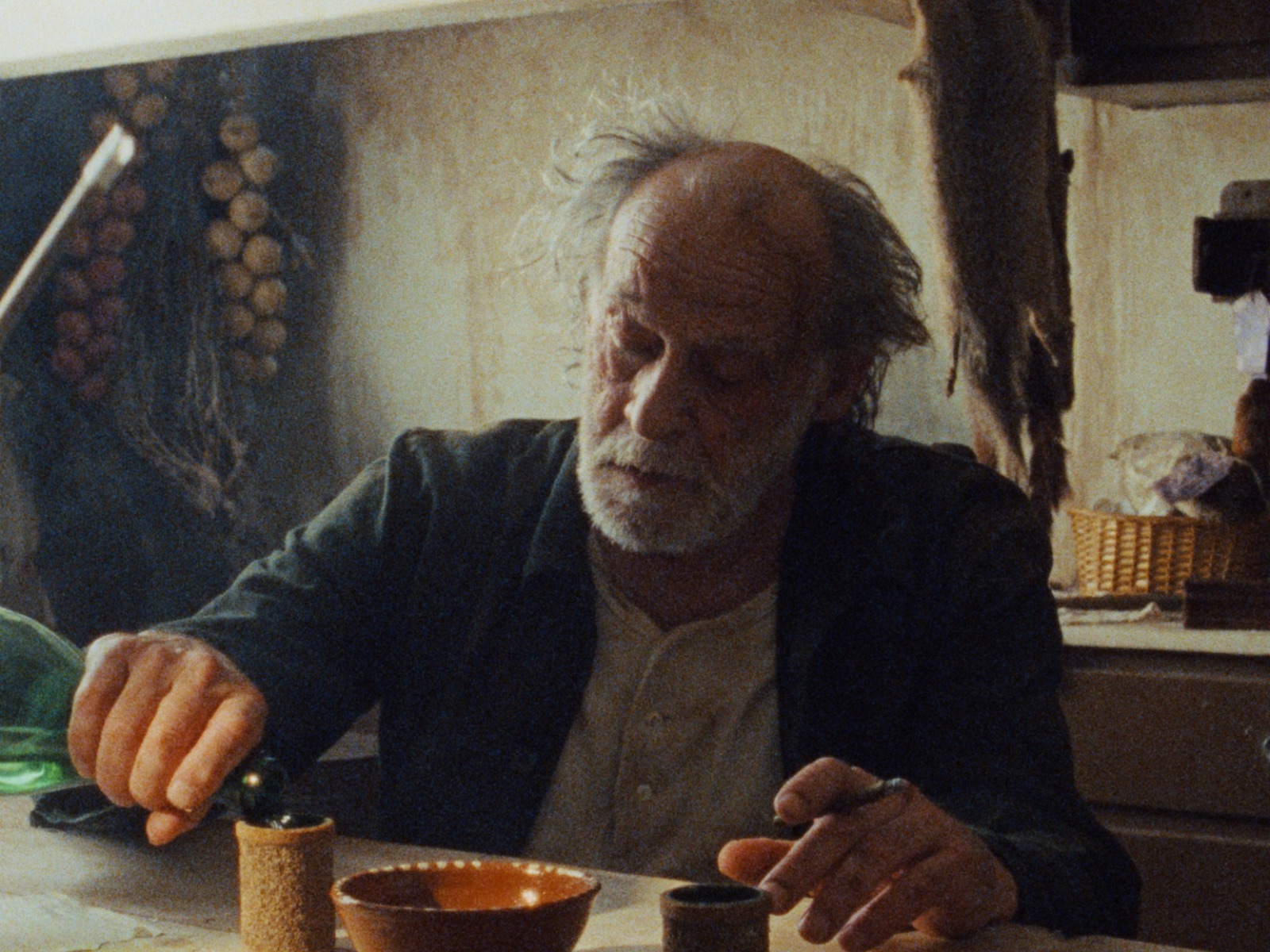
In 1950s Portugal, Isaltina, a taxidermist, lives between silence and the death she preserves. After a mining accident, Leopoldo brings her the canary once used to detect gas underground. By preserving the small bird, Isaltina turns loss into memory.
Cinema Bachelor’s — Lusófona University
The Idea
The project started as a curatorial exercise on the theme of "Comunidade," and took its spark from Little Joe, the canary once carried into 19th-century coal mines to detect dangerous gas — when the bird fell silent, the miners knew to get out. That image led to research into the Pejão coal mines through Adriano Miranda’s 1992–94 photography, which documented the dignity and solidarity of miners working in dangerous conditions, and into Artur Pastor’s "Portugal país de contrastes," whose photographs of rural Alentejo reveal a sharp divide: women anchored to land and home, men gone to the mines or the sea. Those threads converged into a first version of the story — a 67-year-old taxidermist from Mértola, with ties to a mining community, preparing an embalmed canary for the funeral of four miners.
Narrative
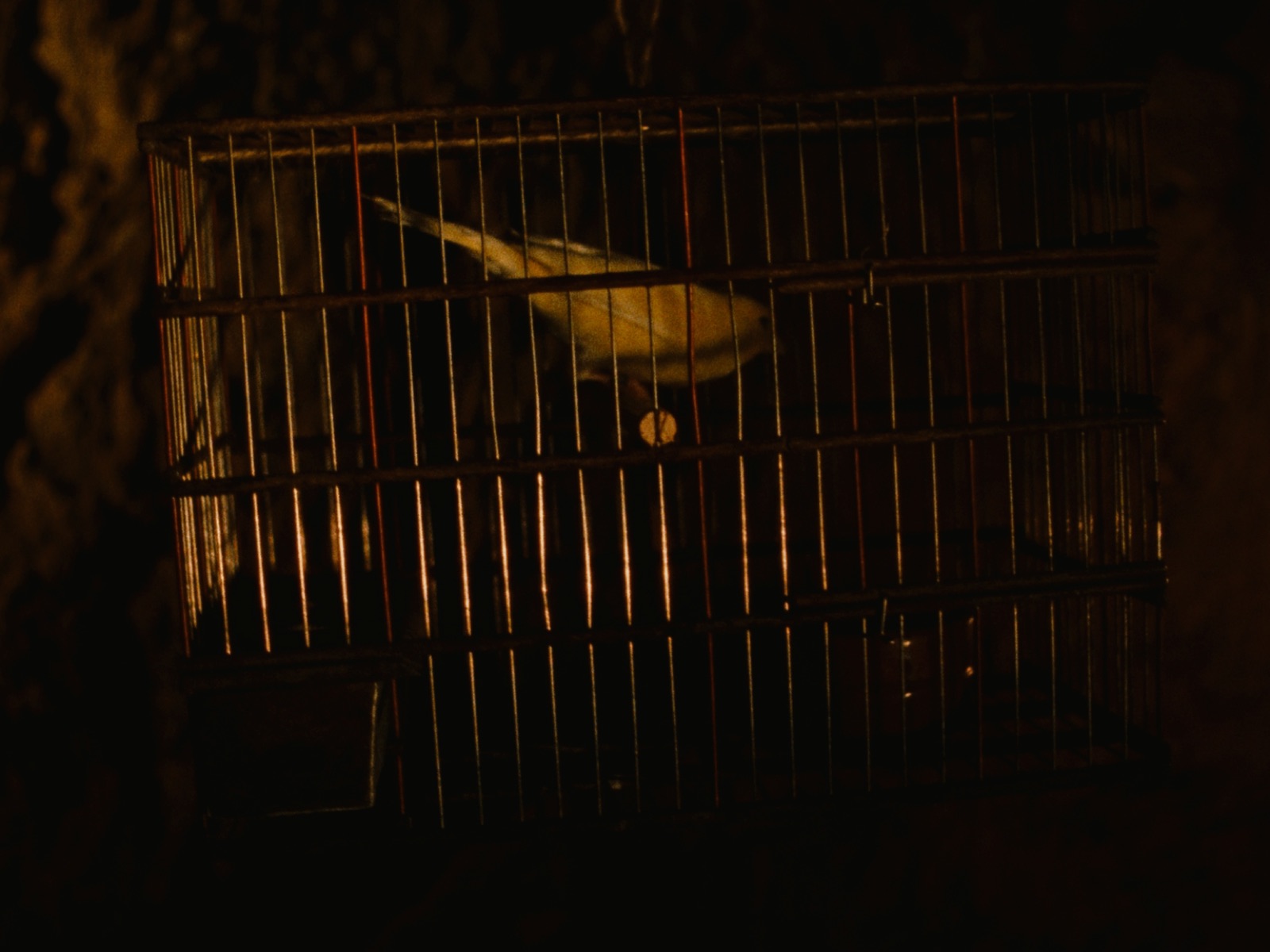
The script went through three major drafts. The first had too many characters and leaned on a Western aesthetic that left it hollow, especially in how it treated its female lead. The second stripped things back to the two protagonists and the different ways each of them lives "surrounded by the dead," but the story lost focus even as the characters deepened. The final draft cut 29 scenes down to 21 and committed to a single idea: the relationship these two characters have with death. The hilltop house, the wind, and the canary became the film’s central images, and the script settled into something closer to a still life than a conventional story. On set, storyboards and detailed shot lists across six filming days kept the pace deliberately slow, letting the film breathe through image rather than dialogue.
Taxidermy
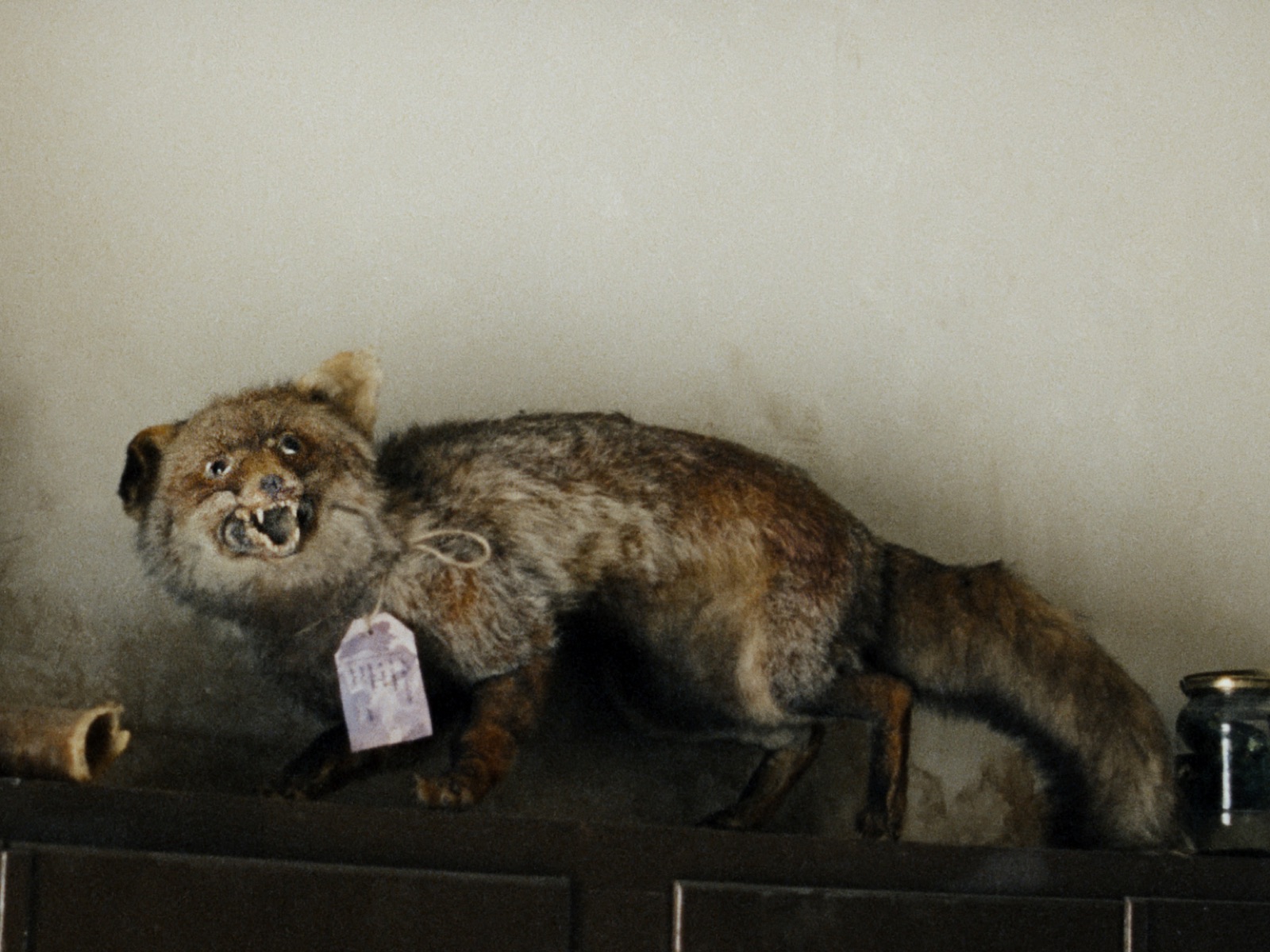
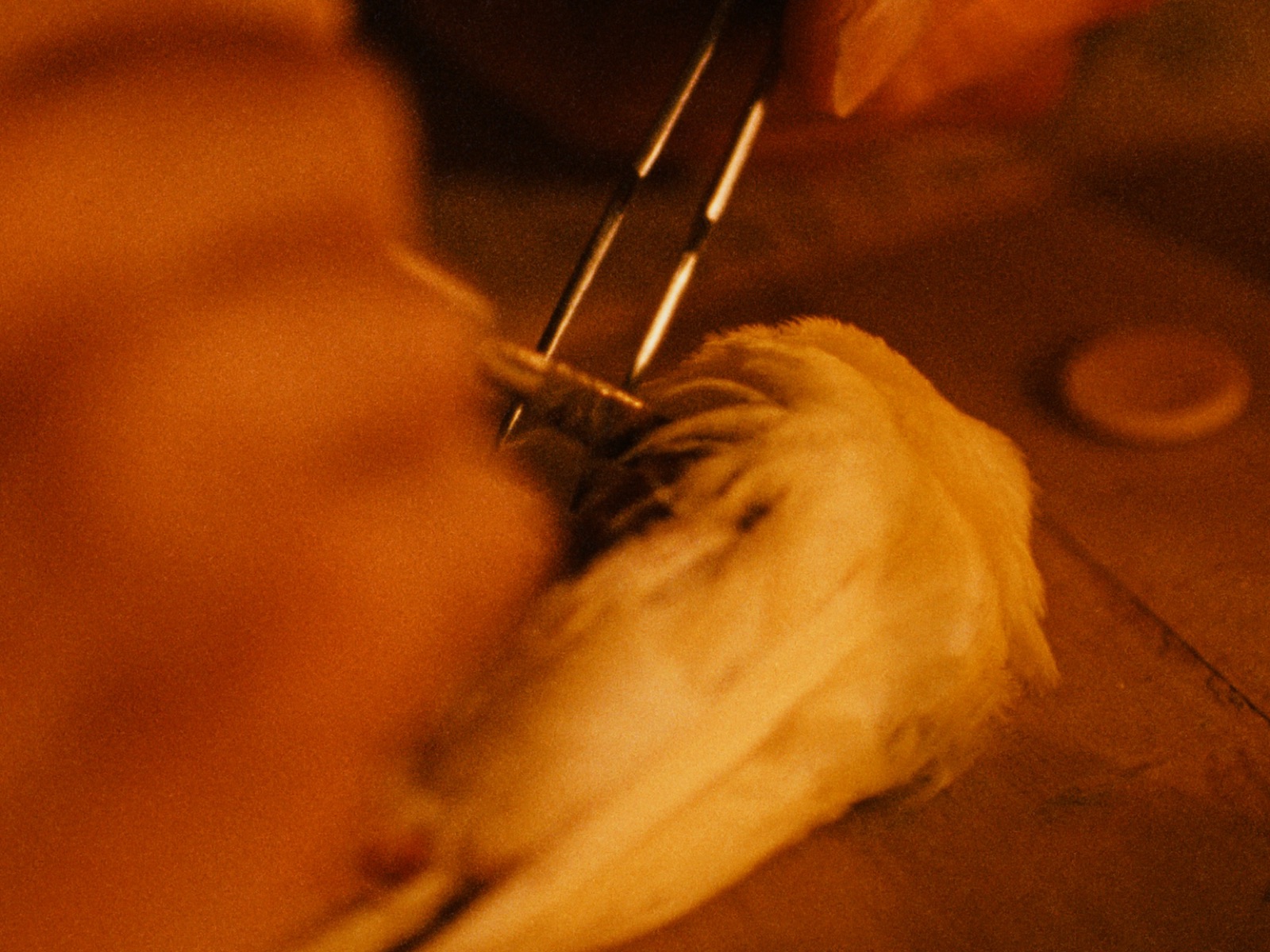
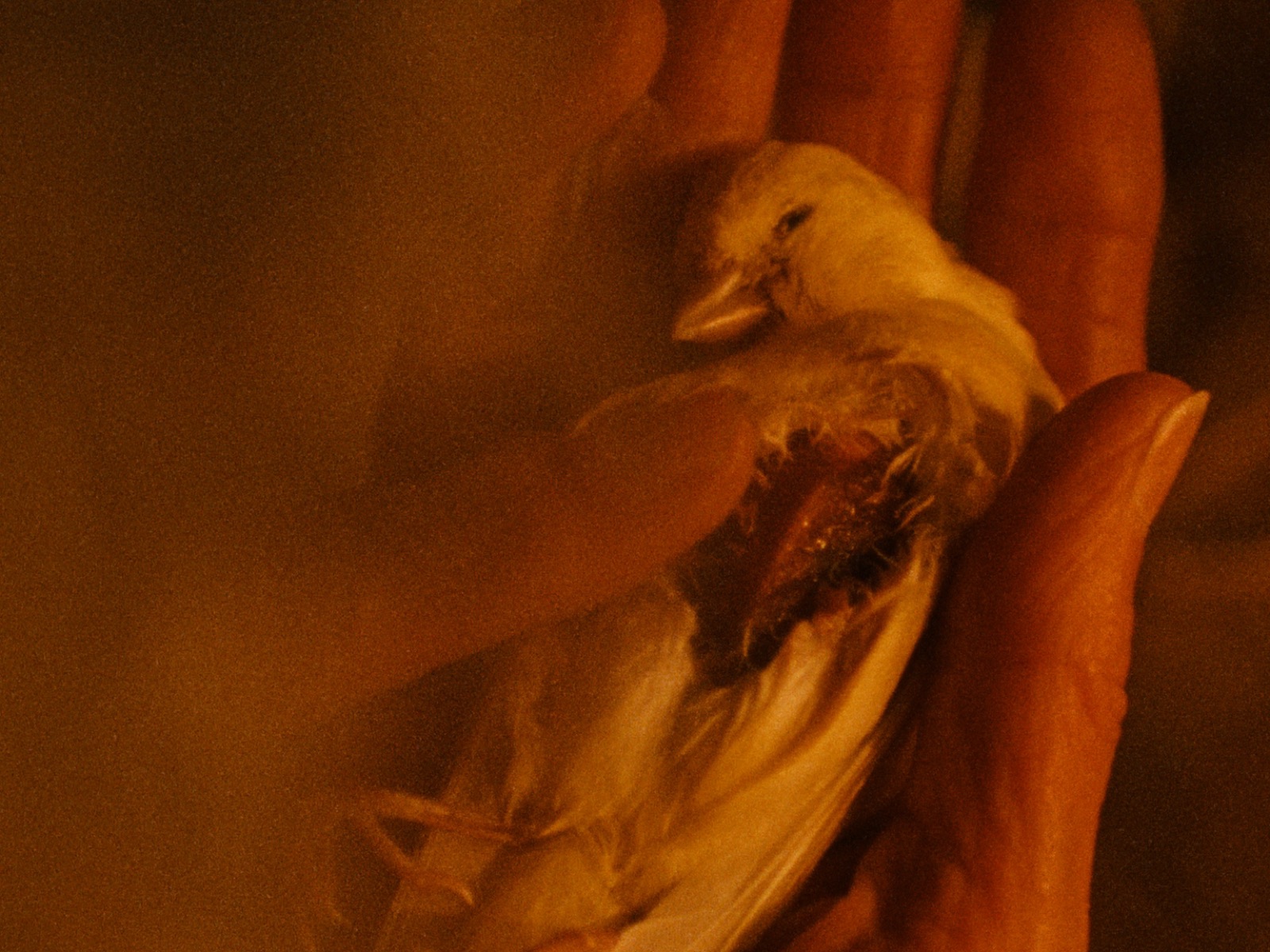
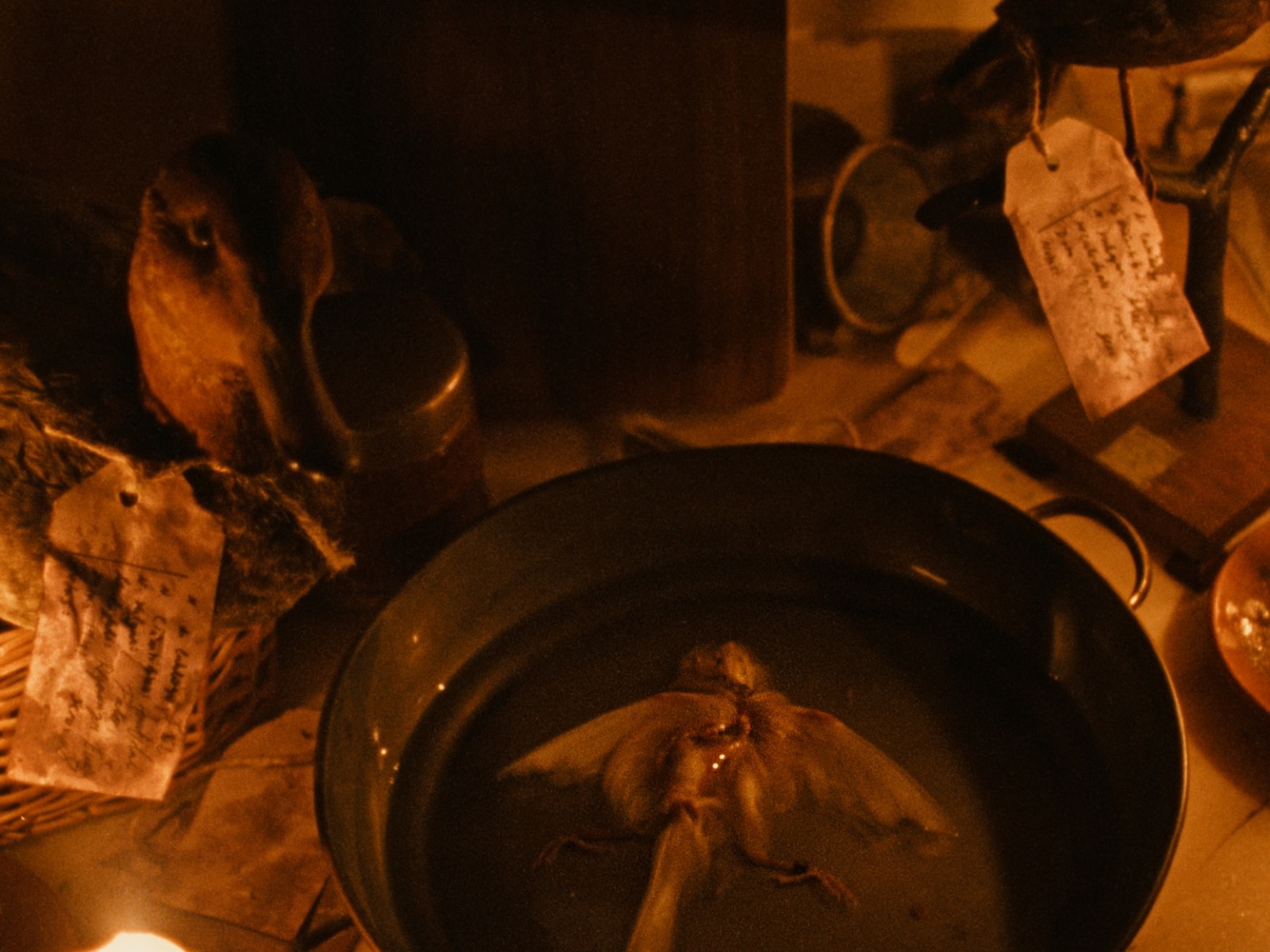
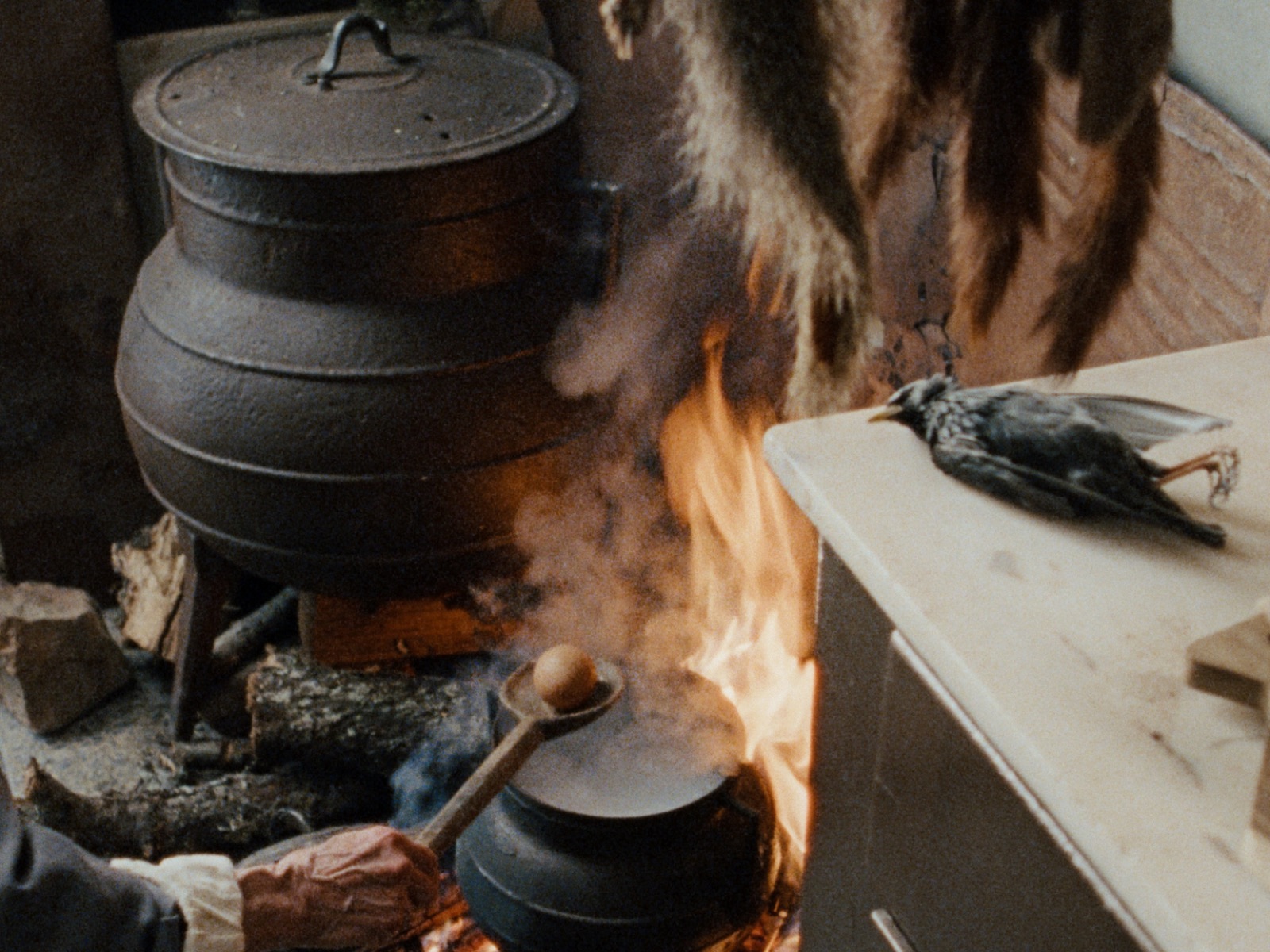
To understand how to preserve a canary — and what that act could mean on screen — the team worked with the National Museum of Natural History and Science and biologist Pedro Andrade to learn the embalming process firsthand. The research asked practical and conceptual questions at once: how a bird’s presence might linger after death, whether to show the embalming itself on camera, and how many canaries the shoot would need. Rather than treat the bird as a prop, the goal was to protect its symbolic weight. Pedro Andrade came to set with two dead canaries so the actress could learn to hold and handle them naturally, so the gestures on screen would read as lived-in rather than performed.
Locations
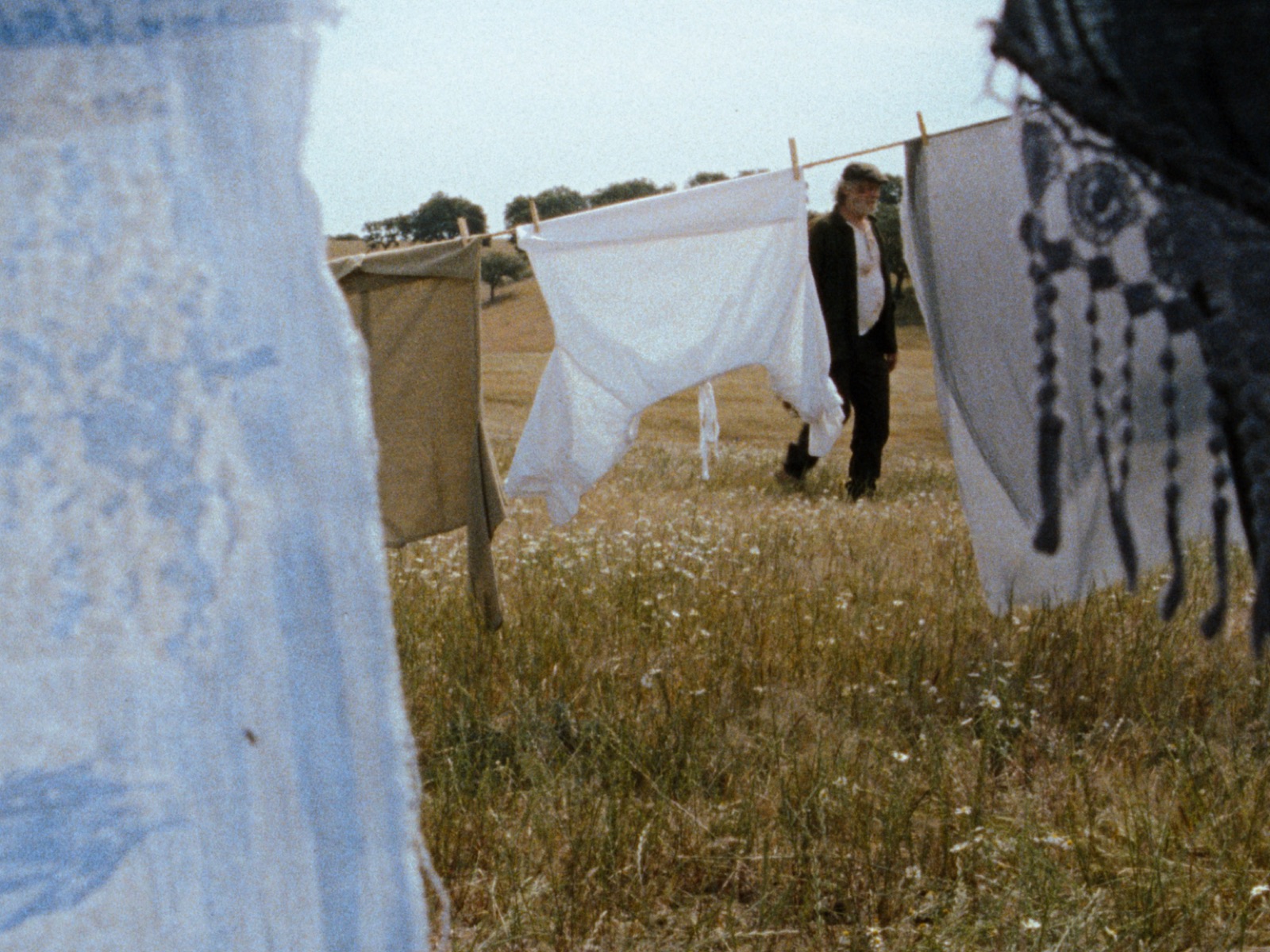
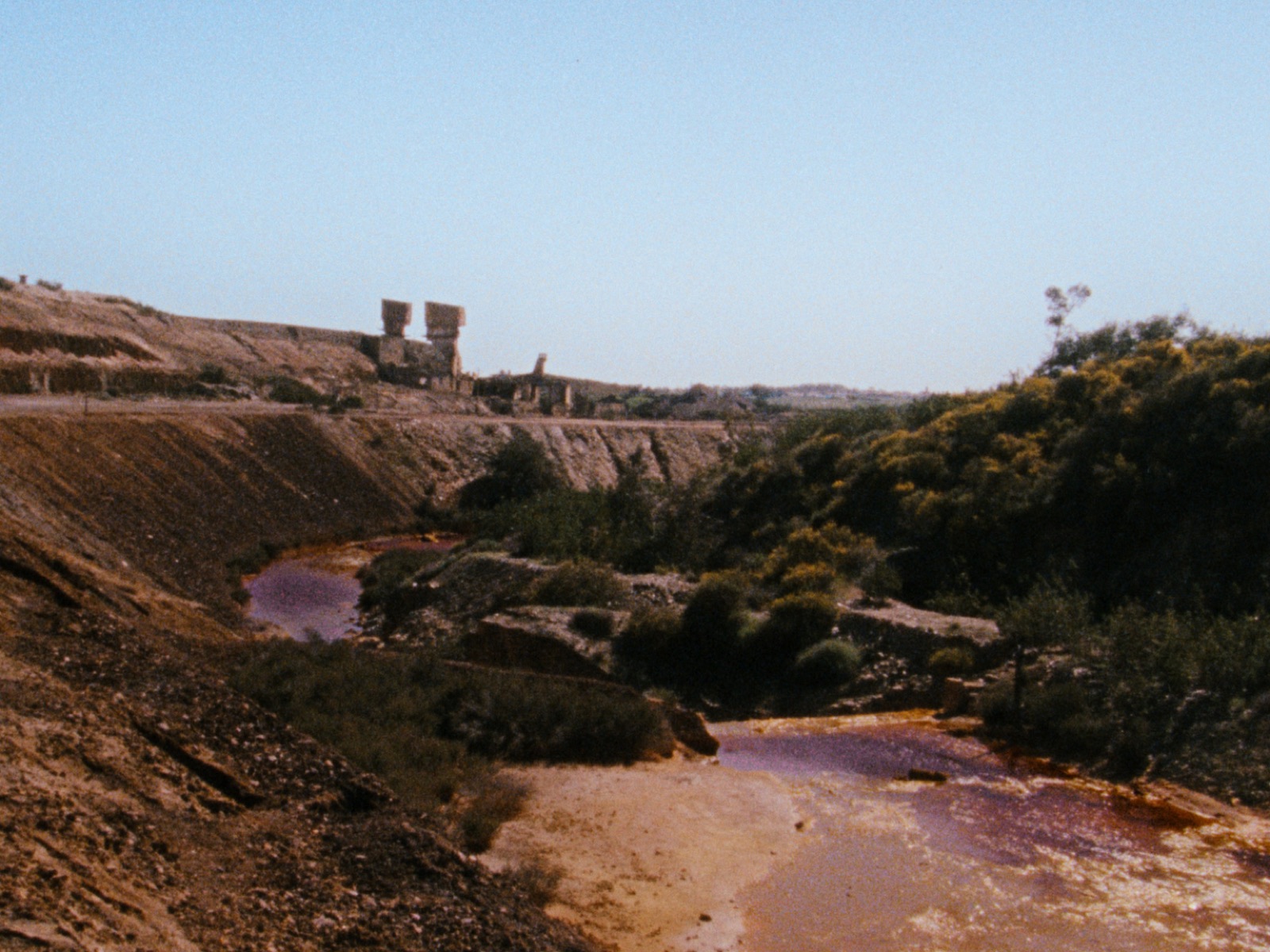
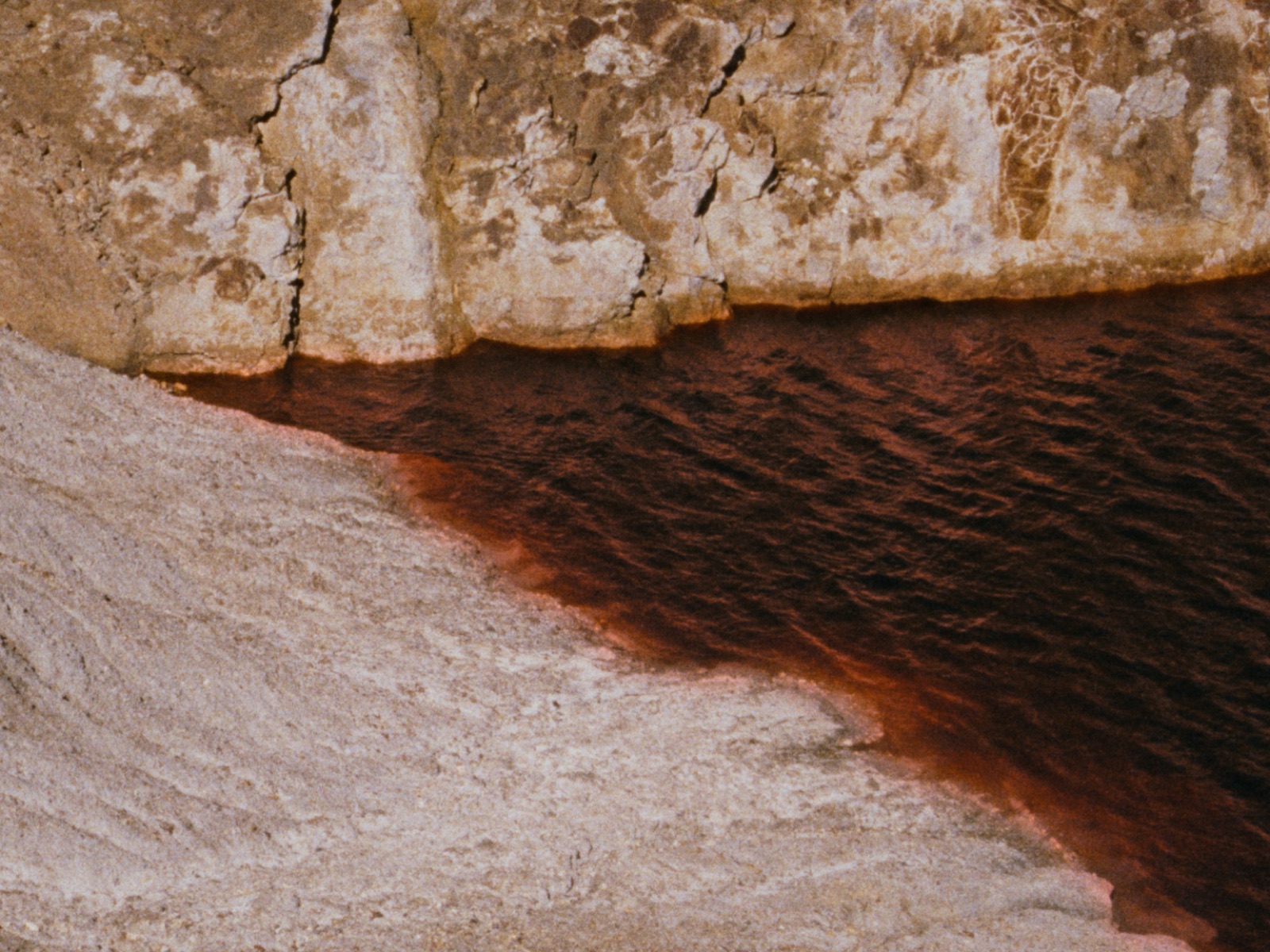
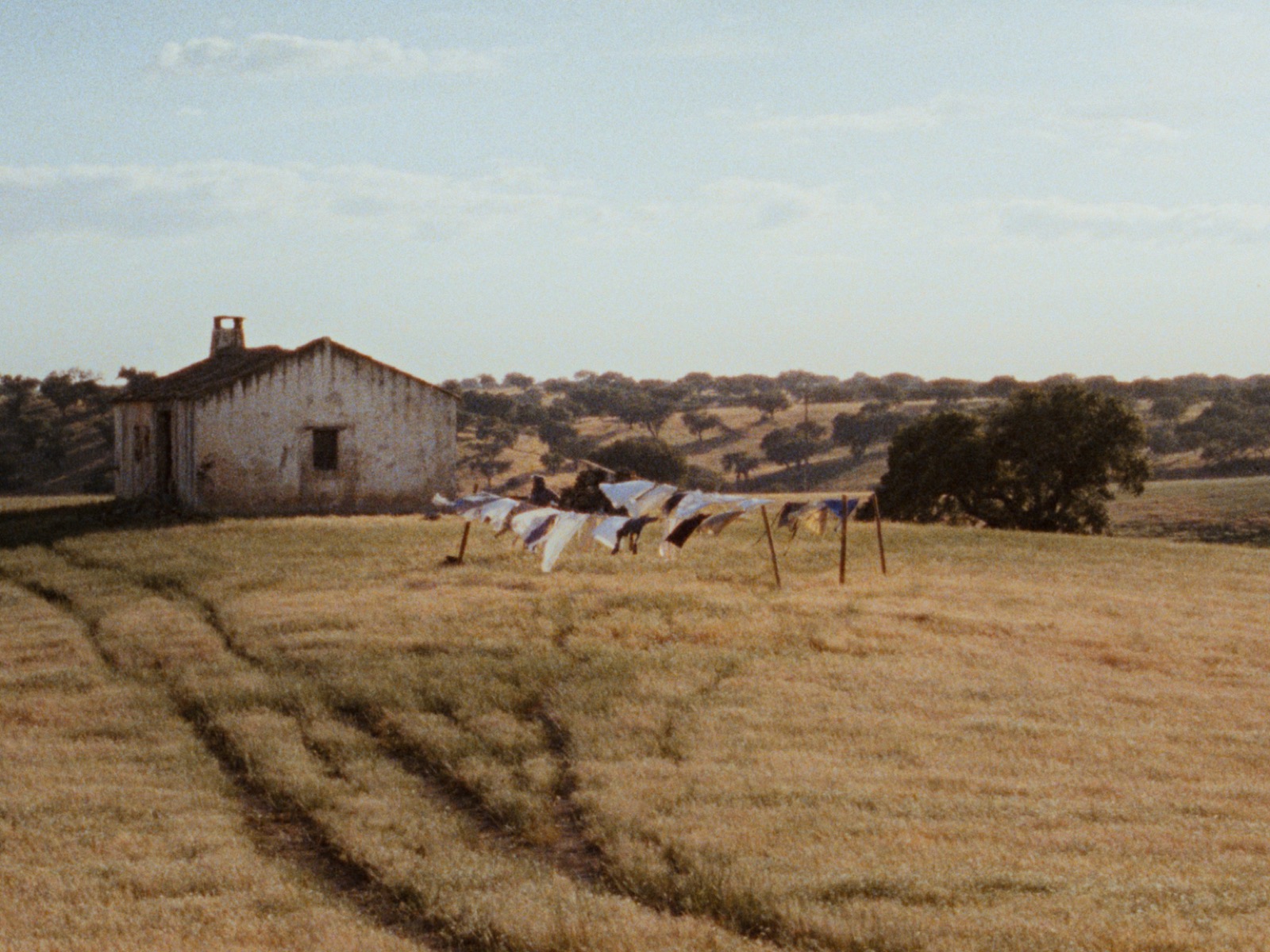
Exteriors were filmed at Monte Raiva, in Trindade, near Beja — an estate with a house built for the 2018 film "Raiva," whose interior was too far gone to shoot in but whose exterior fit the film exactly. I wanted a house on top of a hill where the wind would pass just right. It took months of scouting to find it, and Monte Raiva was the one place that matched that image. Interiors were filmed at Herdade de Rio Frio, whose owners gave the team full freedom to alter the space without having to restore it afterward; the script was adapted around the rooms available — kitchen, bedroom, and taxidermy workshop. Research and scouting for the mine sequences took the team to Minas de São Domingos, Mina do Lousal — whose Ciência Viva center allowed access to real extraction tunnels — and Minas de Aljustrel.
Cinematography
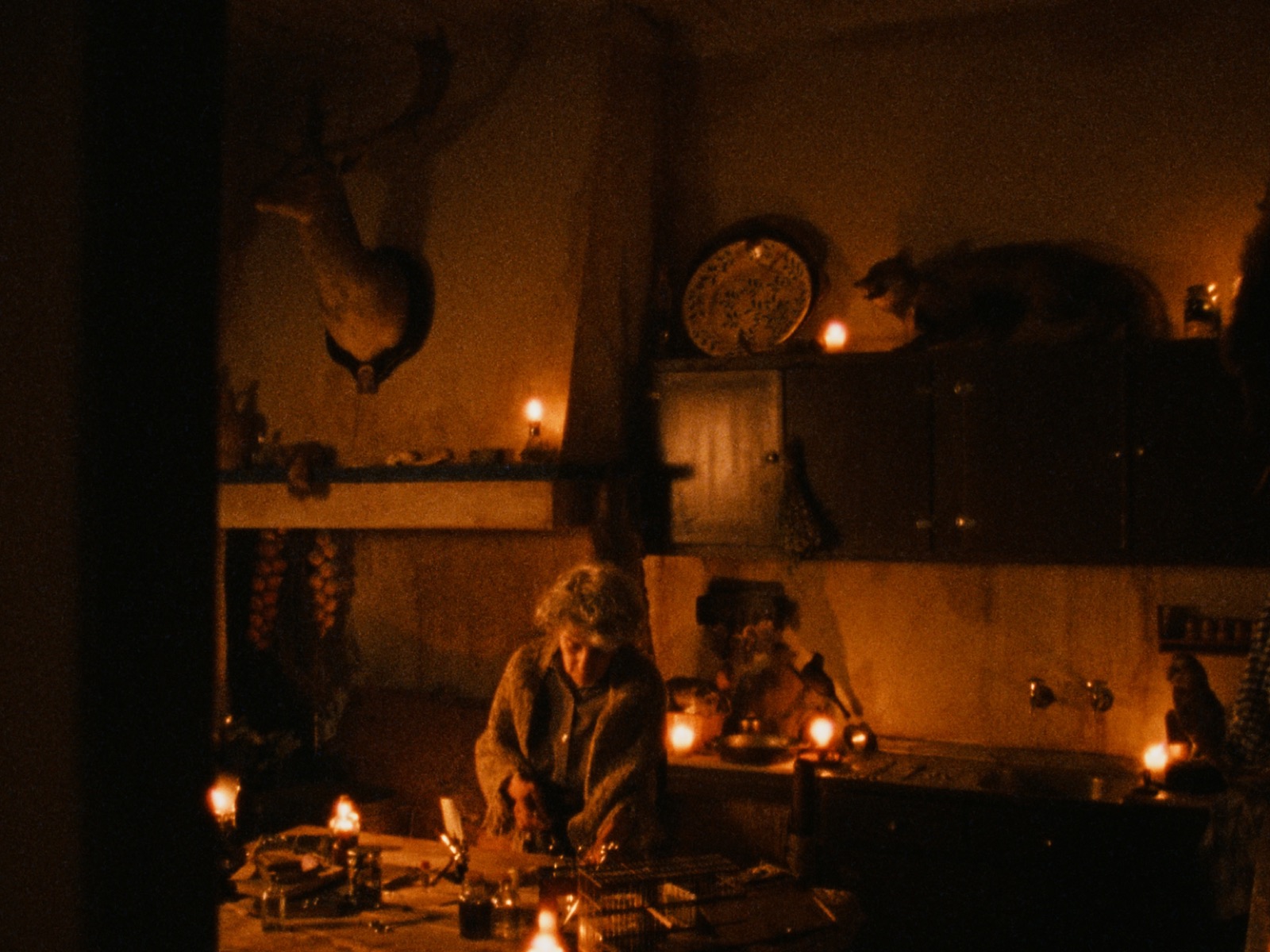
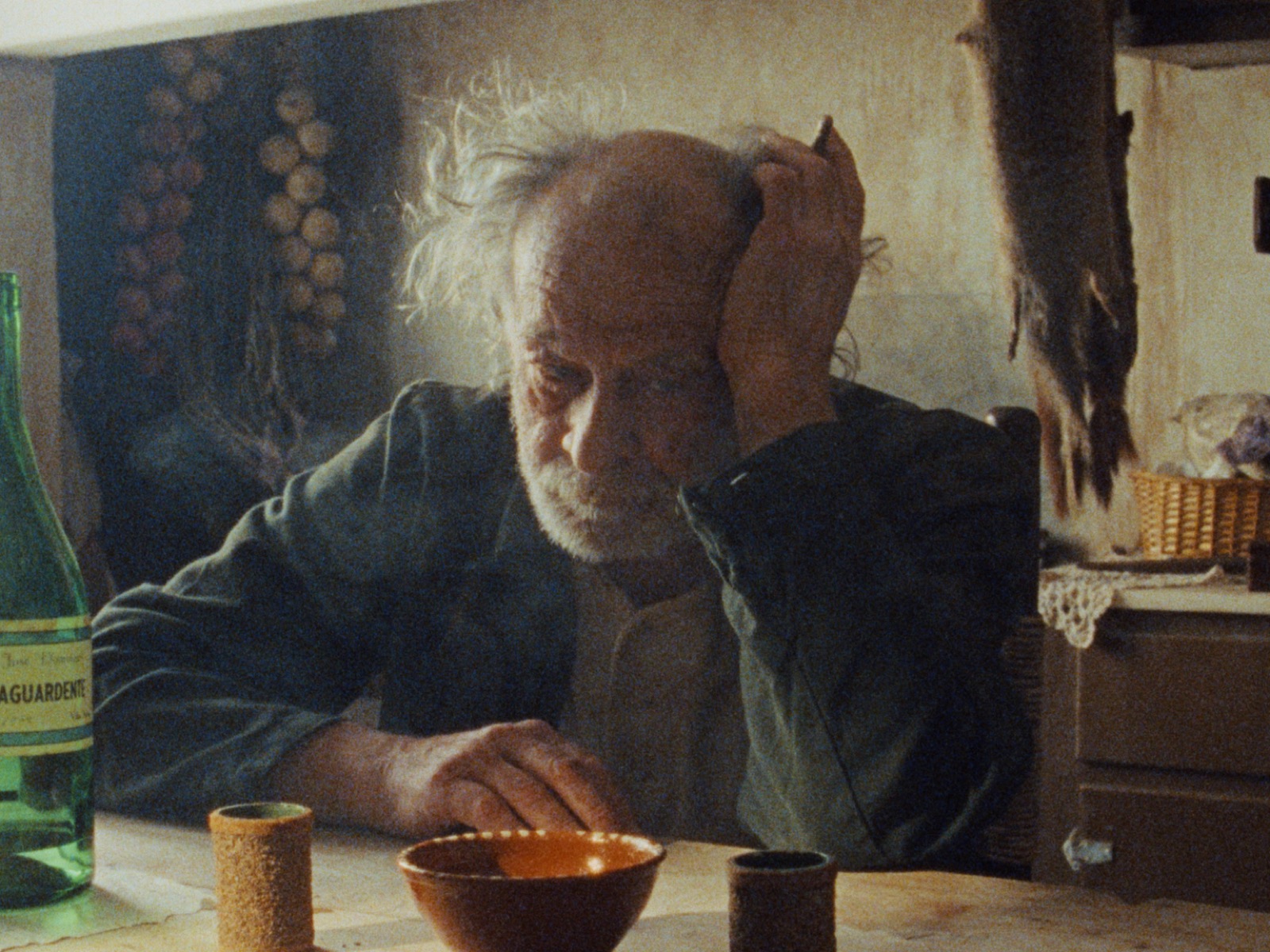
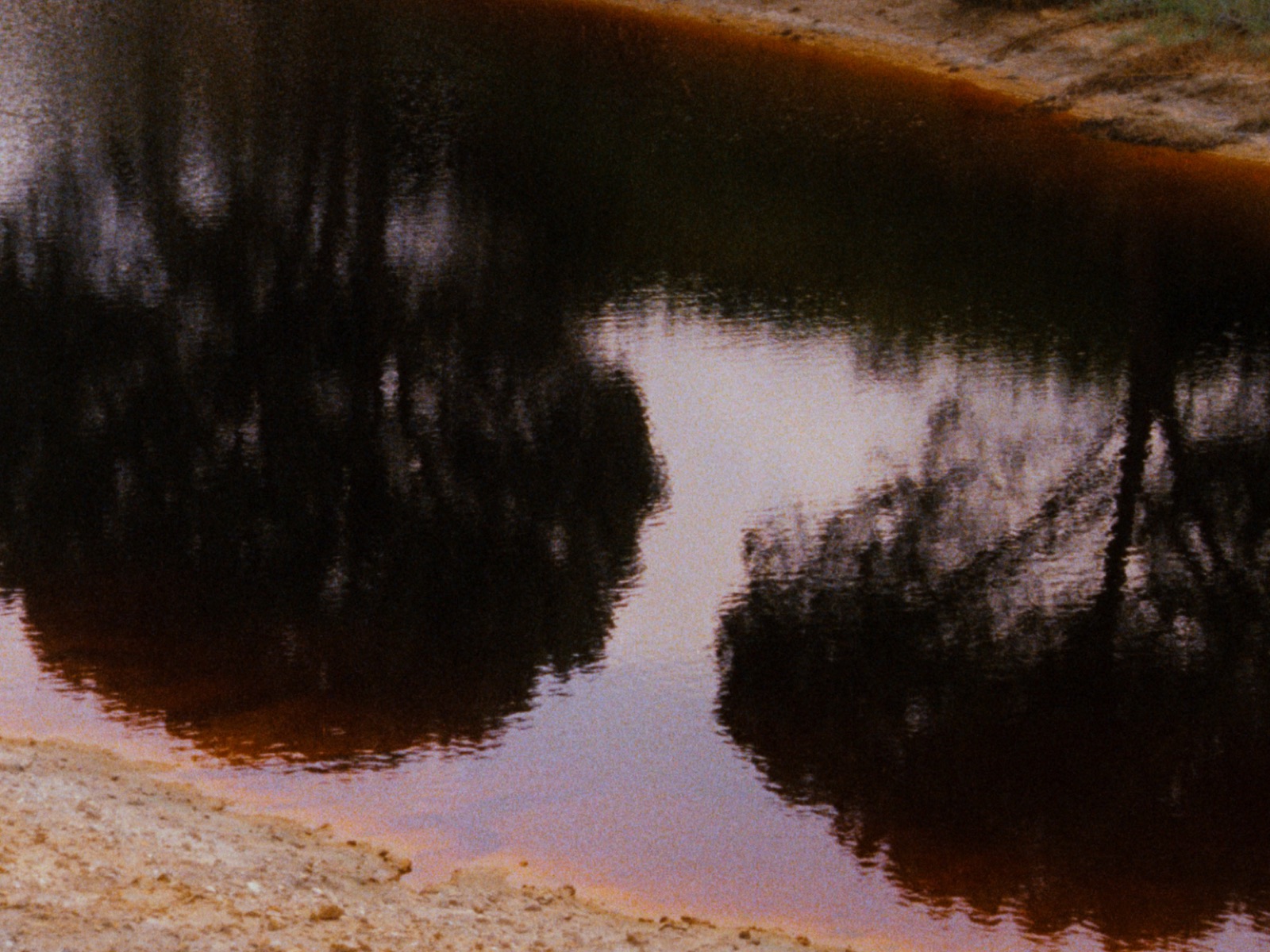
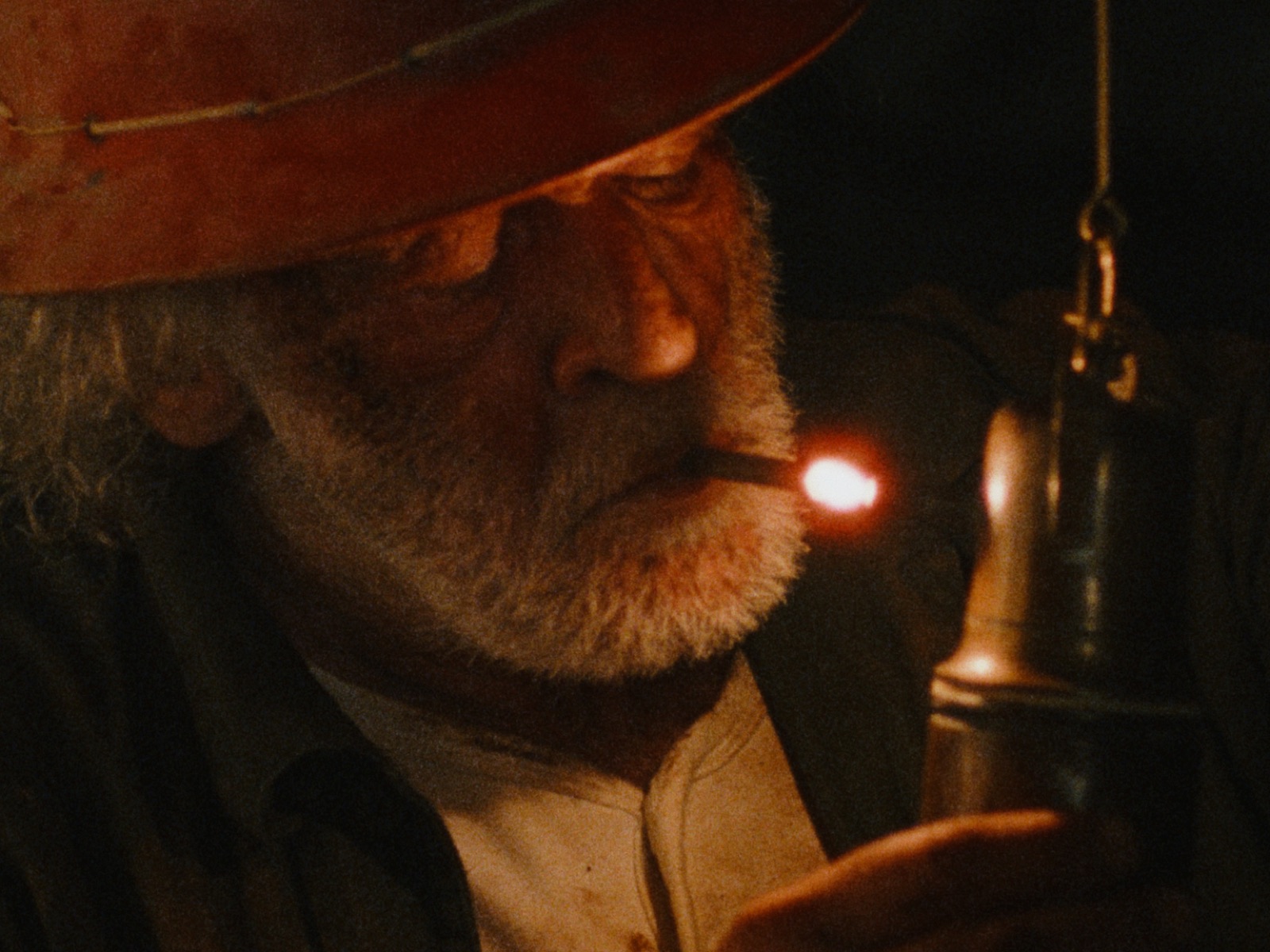
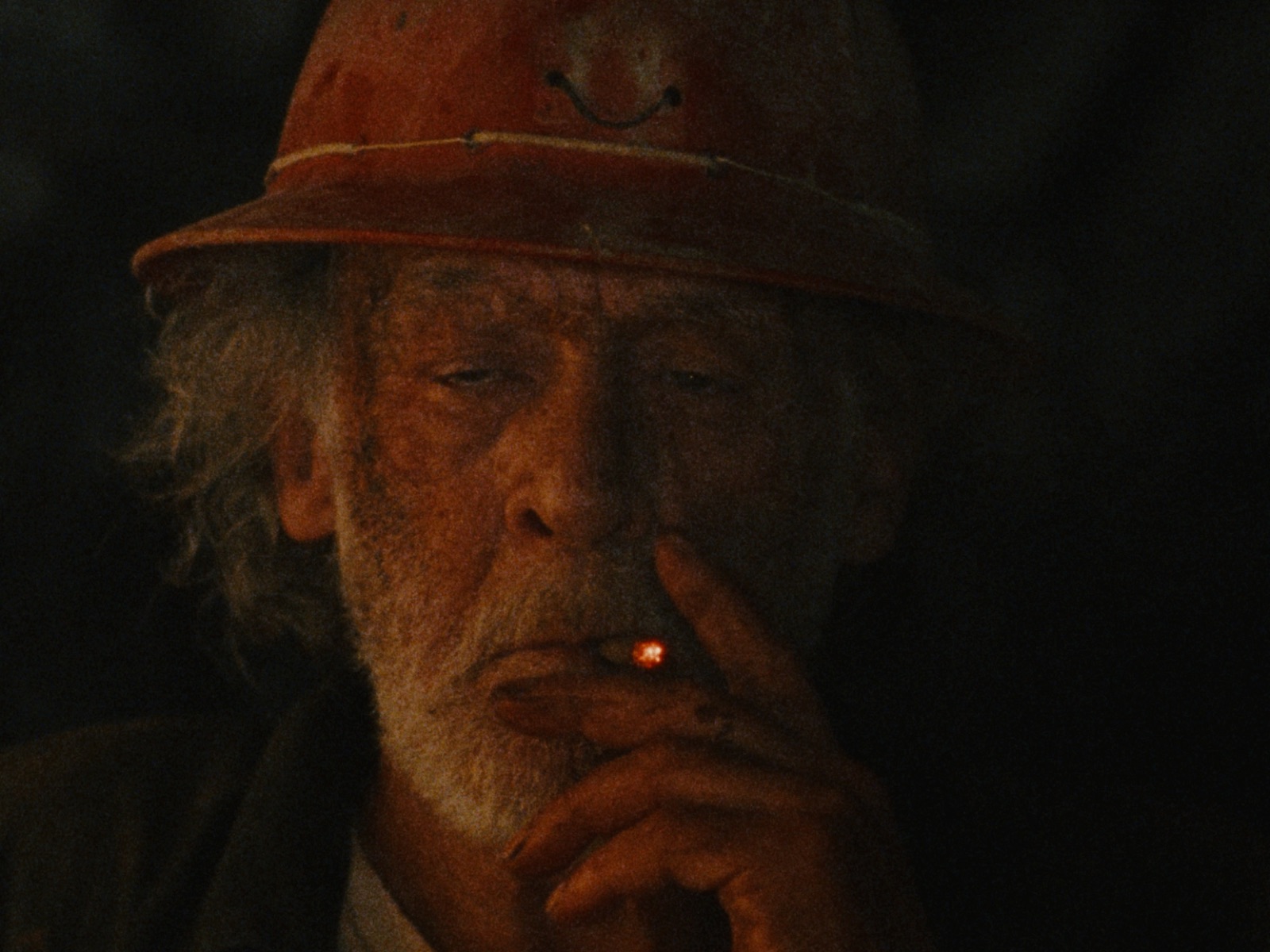
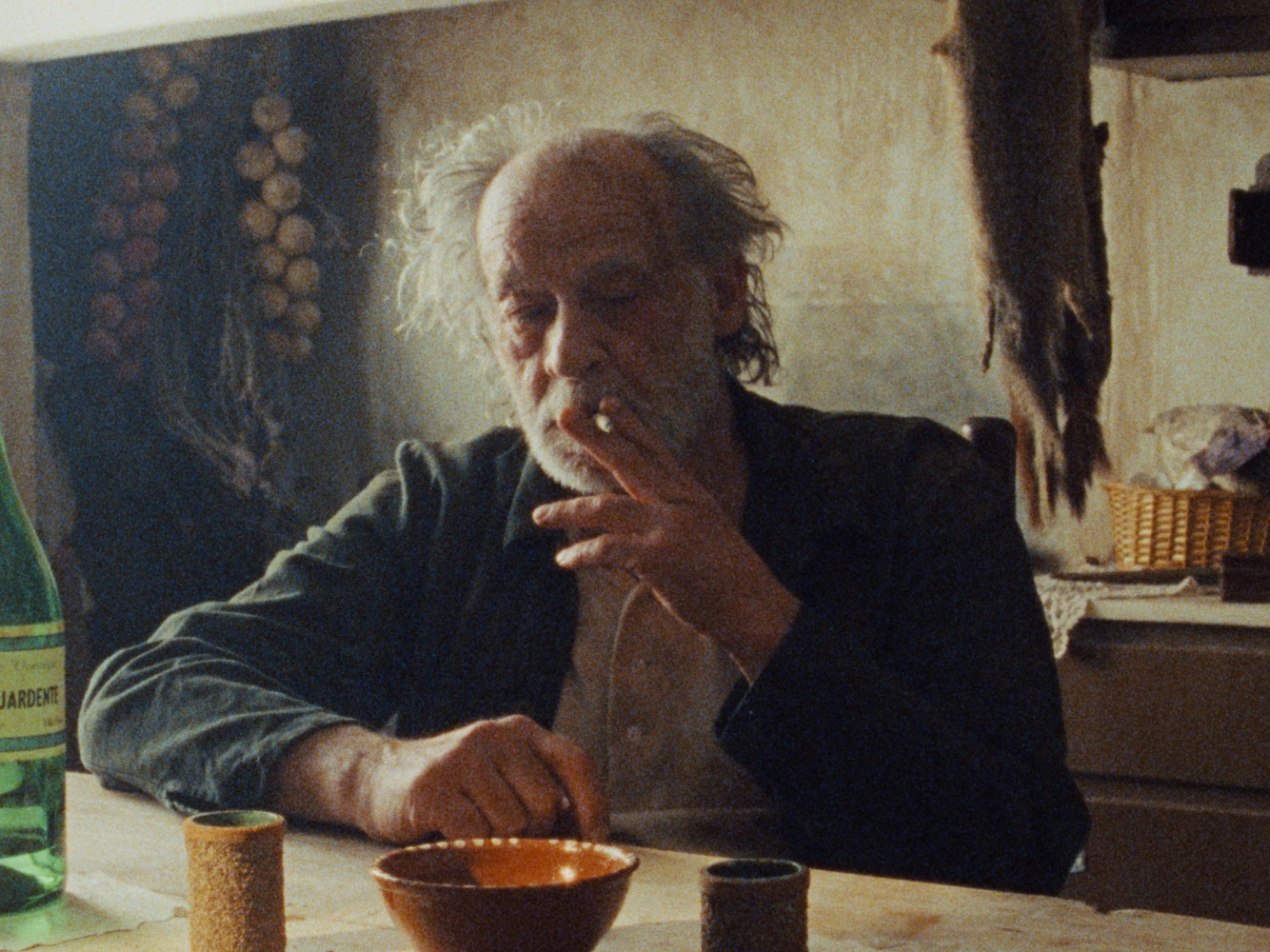
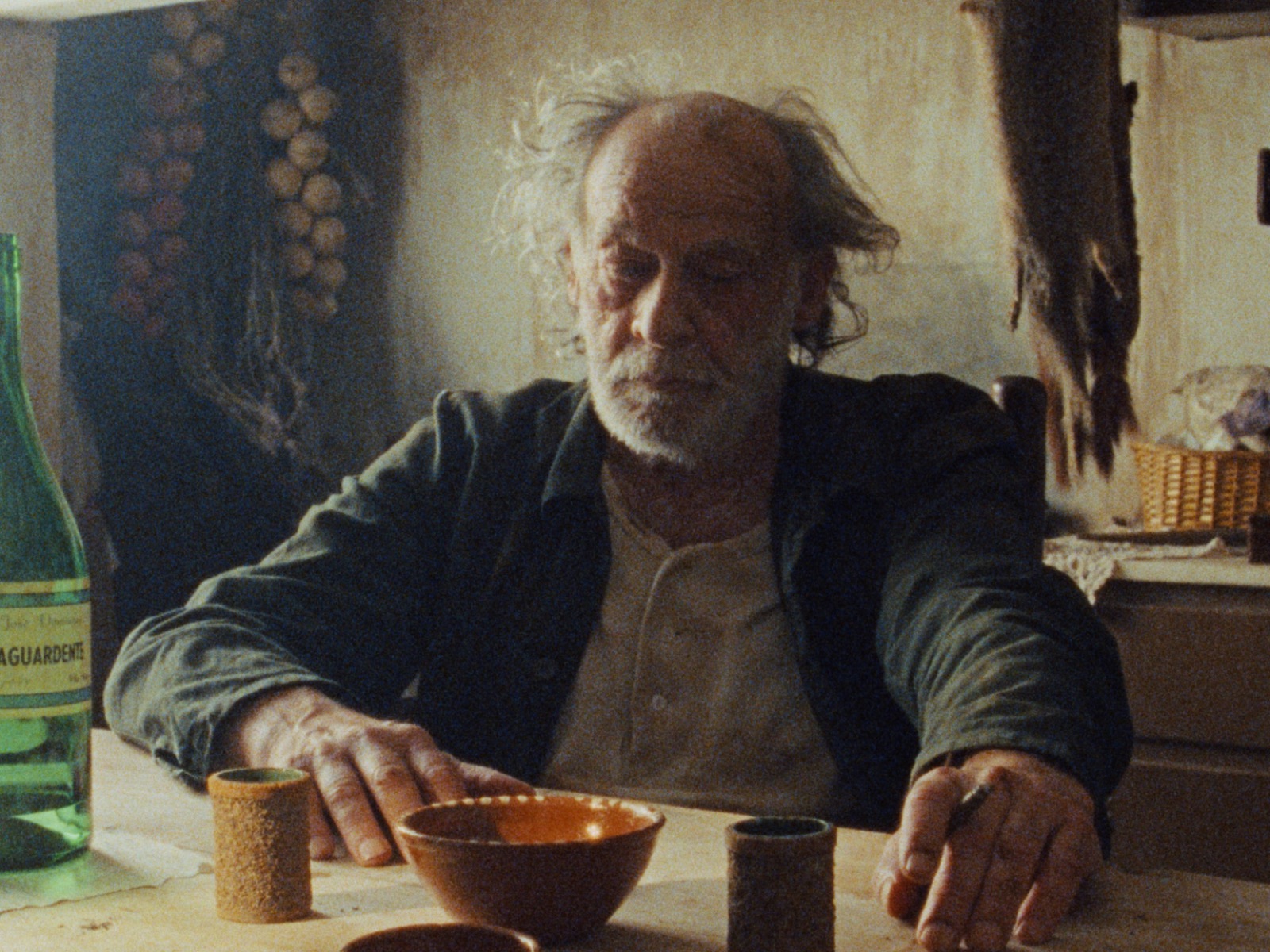
The camera was treated as a passive, observational presence rather than an active one — real, natural, unhurried. The film was shot on 16mm — eight rolls of 122 metres — for the texture and period authenticity that format gives, which also meant every shot had to be planned with unusual rigor. Interior day scenes were lit only by window light through carefully chosen curtains, with artificial light used sparingly; interior nights ran on oil lamps, candles, and a gasometer; exteriors leaned on natural light, mostly at golden hour. The camera holds still for almost the entire film, breaking that stillness only three times — a subtle move during the protagonist’s emotional climax, a movement inside the mine, and an optical zoom on the final shot.
Art Direction
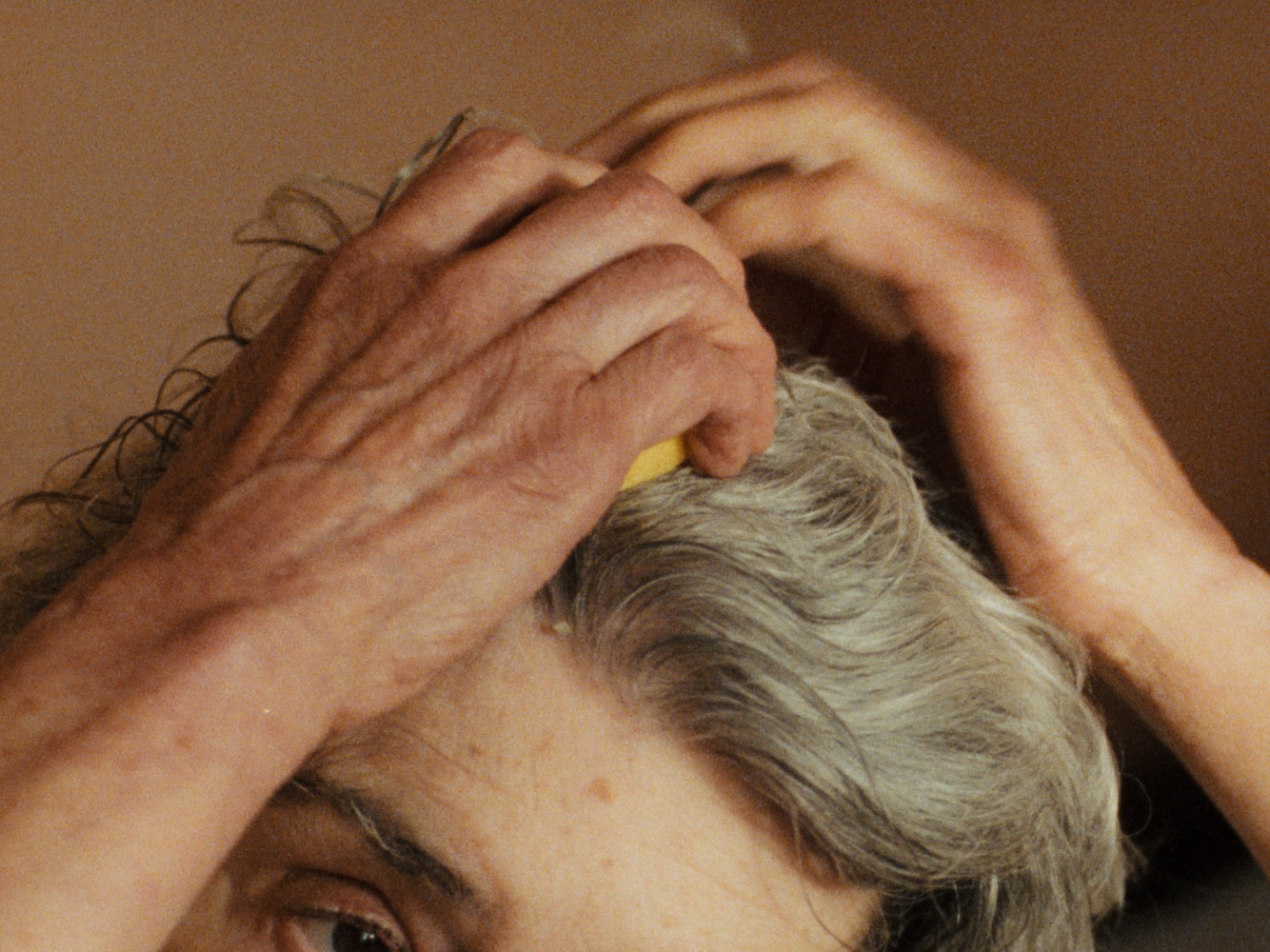
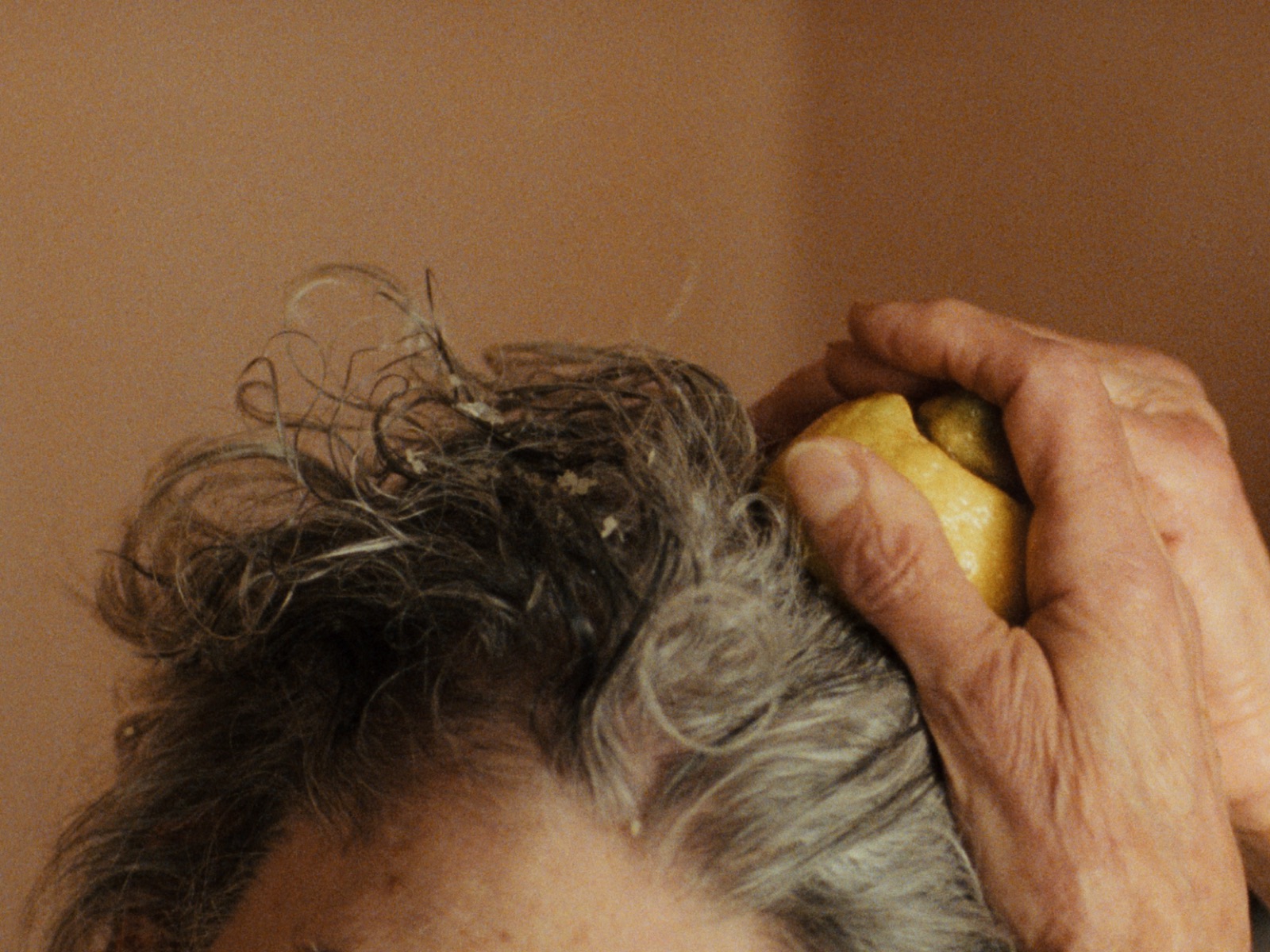
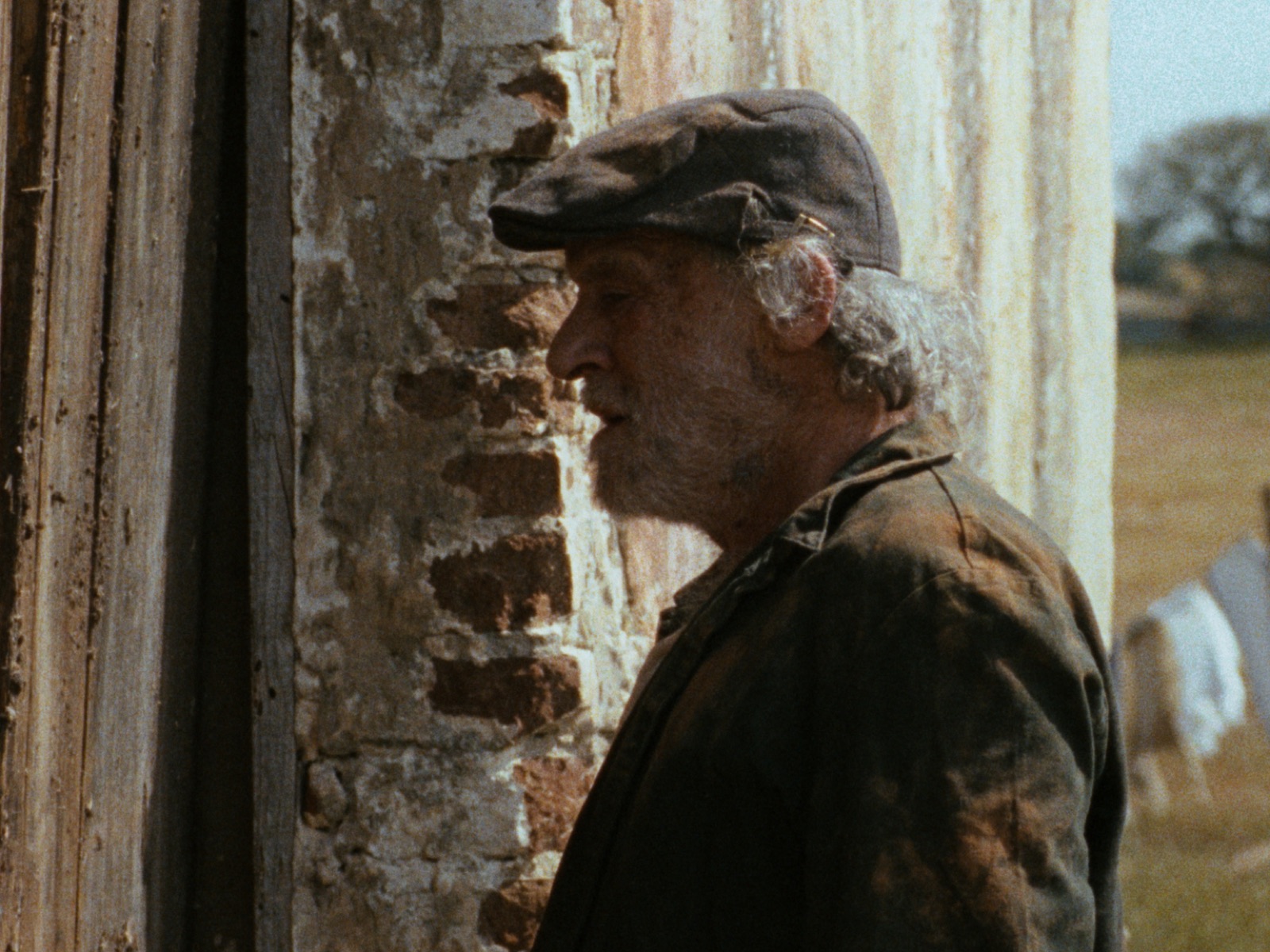
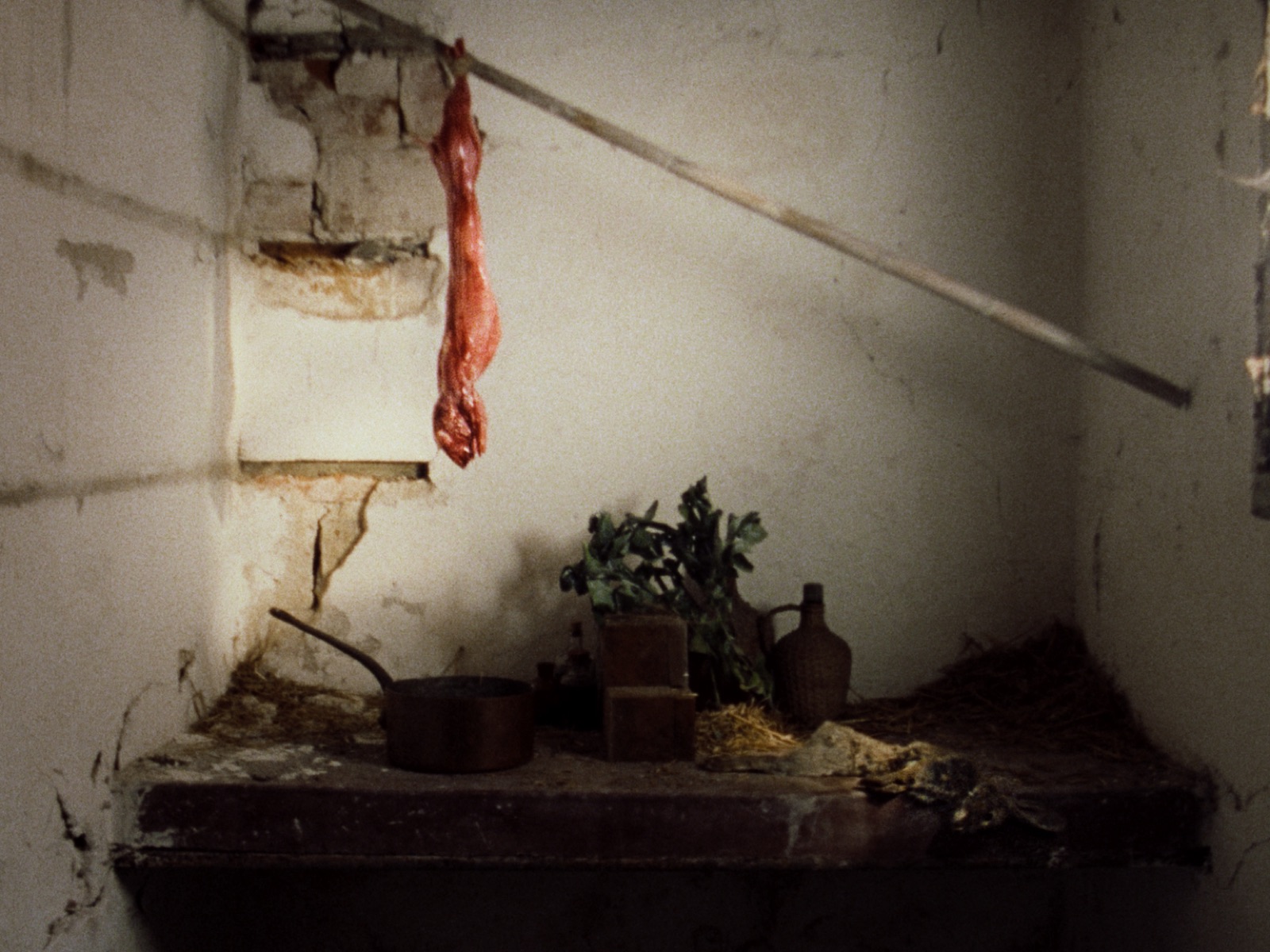
The visual world is built around the rural interior of Portugal, where everyday life, memory, and death sit next to each other without much distinction. Drawing on Alentejo imagery and the aesthetics of taxidermy, the production designed spaces defined by decay, function, and decades of wear rather than polish. The costumes were built the same way — heavy, practical, deliberately aged and soiled, meant to read as an extension of the characters’ bodies and their years of physical labor rather than as clothing. Every choice, architectural, textile, or chromatic, was made to hold up an identity the team describes as organic, raw, and melancholic.
Behind the Scenes
Six days of filming — two on location in the Alentejo, the rest in Pinhal Novo — camera, sound, and art department working close together in the field to keep the 16mm process on schedule and the film’s quiet, observational rhythm intact.